Wallpapering Over Textured Walls: The Truth, the Risks, and the Designer-Approved Solution
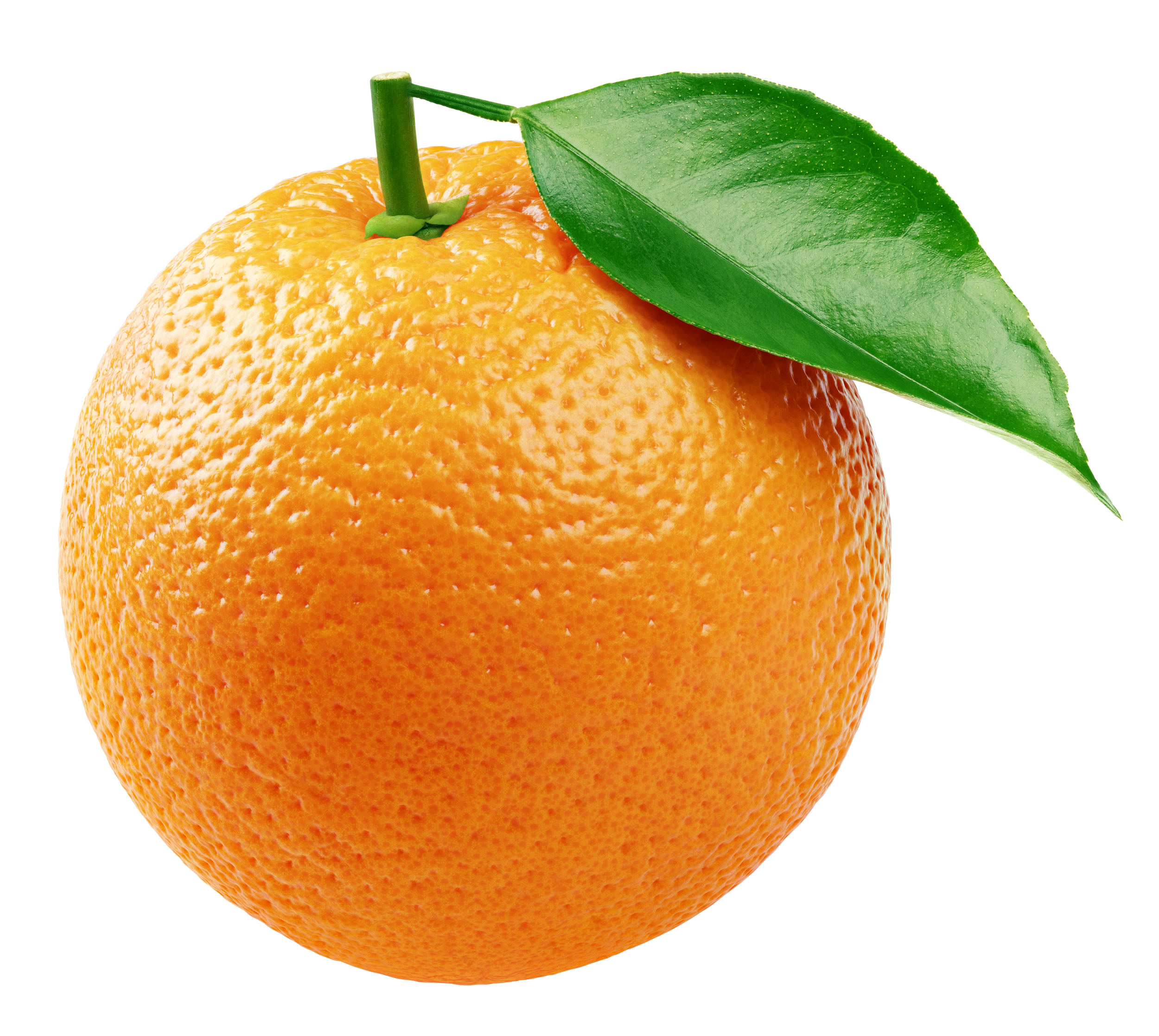
A common texture for walls is called “orange peel” because of its resemblance to this delicious fruit’s rind.
Can you wallpaper on textured walls?
Short answer: yes, but you shouldn’t. Not if you want the project to look polished, professional, and truly reflective of the design vision you’re crafting for your client.
Many homeowners — and even designers early in their careers — assume wallpaper only works on perfectly smooth surfaces. Others try to bypass proper prep by installing over orange peel, knockdown, skip trowel, or even light texture. The result? Visible bumps, inconsistent adhesion, seams that highlight the texture beneath… and a finish that diminishes the impact of even the most beautiful wallcovering.
But here’s the good news:
You can wallpaper textured walls and achieve a luxury-level result — as long as you start with skim coating.
Why Texture and Wallpaper Don’t Mix
Wallpaper is designed to lie perfectly flat against the wall. Any texture — even the faintest — creates micro-shadows that catch light and make the wallpaper look uneven.
Lighting in residential and commercial environments often exaggerates these imperfections: sconces, picture lights, pendants, natural side-lighting, and even indirect skylight can transform subtle wall inconsistency into a glaring issue.
Designers know that details make or break the experience. A textured wall beneath wallpaper becomes a distraction — especially with metallics, murals, large-scale patterns, or any surface where smoothness is essential to the design story.
The Designer-Approved Solution: Skim Coating
Skim coating is the process of applying a thin, smooth layer (or multiple layers) of joint compound over existing texture to create a perfectly even surface.
A good installer will:
• Assess the depth and style of texture
• Apply one to three coats
• Sand between layers
• Feather out all edges
• Seal the surface with a high-quality primer
• Create a flawless foundation for wallpaper
The result?
A wall that looks and feels like glass — allowing the wallpaper to read as crisp, clean, and elevated. No bumps. No shadows. No surprises.
What a Level-5 Finish Is — And Why Designers Insist On It
In the world of wall preparation, a Level-5 finish is the highest standard of smoothness. It’s the point at which a wall has been fully skim coated, sanded, and sealed so that the entire surface reads as a continuous, velvety plane with zero texture, flashing, joint lines, or irregularities.
Wallpaper reveals everything beneath it.
Light — especially from the side — makes imperfections dramatically more visible. Even tiny surface inconsistencies can distort patterns, break visual continuity, or impact how colors and metallics reflect.
A Level-5 finish allows wallpaper to perform exactly as intended:
Clear, sharp seams
Even color and light distribution
No telegraphing of texture
A luxury-level finish that elevates the entire space
And once a room reaches a Level-5 finish, future wallpaper changes become drastically easier. Removal is cleaner, new installations require less prep, and the walls remain a consistent, reliable substrate for every design evolution.
A Level-5 wall isn’t about perfectionism — it’s about protecting the integrity of the design and future-proofing the space.
Cost, Skill Level, and Alternatives to Skim Coating
For a typical 12’ x 12’ room, skim coating professionally usually ranges from $600–$2,000, depending on texture level, labor rates, and number of coats required. Although skim coating sometimes looks simple online, it is rarely a novice-friendly DIY. A truly smooth, Level-5 finish requires training, precision, and experience — especially when the goal is to install high-end wallpaper.
What about cheaper alternatives?
Replacing drywall often costs $2,000–$4,500 and creates significantly more mess, dust, and disruption.
Adding new drywall over existing walls is possible, but it reduces room dimensions and typically still costs as much or more than skim coating.
Quick fixes like wallpaper liners, thick wallpapers, or peel-and-stick don’t eliminate texture — they simply soften it temporarily. Texture nearly always telegraphs through.
Skim coating remains the most efficient, cost-effective, and long-term solution — especially for clients who may want to update wallpaper again later.
The ROI of Skim Coating to Level-5
For those hesitant to invest in proper wall prep, the return on investment is compelling:
✔ Immediate payoff:
Your wallpaper looks the way it’s meant to look — clean, elegant, uninterrupted, and clearly high-end.
✔ Long-term payoff:
A Level-5 wall becomes the perfect substrate for every future wallpaper project. Removal is cleaner, reinstallation is faster, and there’s no need for repeated repairs or texture fixes.
✔ Design flexibility:
Clients who love to update their spaces benefit most. Once you achieve a Level-5 wall, future wallcovering changes become simpler and far more cost-effective.
Skim coating is not an unnecessary expense; it is a strategic investment in the visual quality and long-term adaptability of the space.
Bottom Line
While it’s technically possible to apply wallpaper to a textured wall, the reality is that it will not perform as intended. Texture prevents the wallpaper from making full surface-to-surface contact, which means it cannot form the air-tight seal required for proper adhesion. The result is predictable: bubbling, puckering, lifting seams, and premature peeling — often within months, sometimes within weeks.
Even peel-and-stick papers, which are often marketed as “forgiving,” cannot overcome the valleys and ridges of textured surfaces. Air and microscopic dust collect in those crevices, working their way behind the material. On a textured wall, peel-and-stick typically lasts a year or less before it begins curling or failing entirely.
So yes — you can physically apply wallpaper to a textured wall.
But only if you don’t care what it looks like or how long it lasts.
For anyone investing in high-end wallcoverings — whether for residential design, boutique commercial spaces, or hospitality — the only way to ensure longevity, beauty, and performance is to properly prepare walls for the substrate. And that begins with skim coating to a Level-5 finish.
Getting it right the first time protects your investment, elevates the design, and prevents all the issues that inevitably come from trying to shortcut prep work.
All blog posts from Surface & Space are meant to be informative in a way that empowers you to make the best decisions possible when working on a personal project or advising your clients about a specific approach, best practice, or innovative process for their residential or commercial spaces. Ultimately, it is recommended that you consult with your professional installer, craftsman, trade specialist, or the like who will be assisting you in bringing your wallpaper and fabrics to life in the spaces you live, sleep, play, and work in.
Subscribe to Surface & Space for new articles in your inbox and instant access to two free printable substrate guides (wallpaper & fabric), plus a bonus PDF on Conscious Creators of Gentle Textiles.
© 2025 Gabrielle Hewson. All rights reserved. You’re welcome to share links to this article, but please don’t copy or republish the text or images without my written permission. For licensing, permissions, or any other use beyond linking, please contact me directly.