New in My Wallpaper Substrates Lineup: PVC-Free Type II Wallcovering for Busy, Health-Conscious Spaces
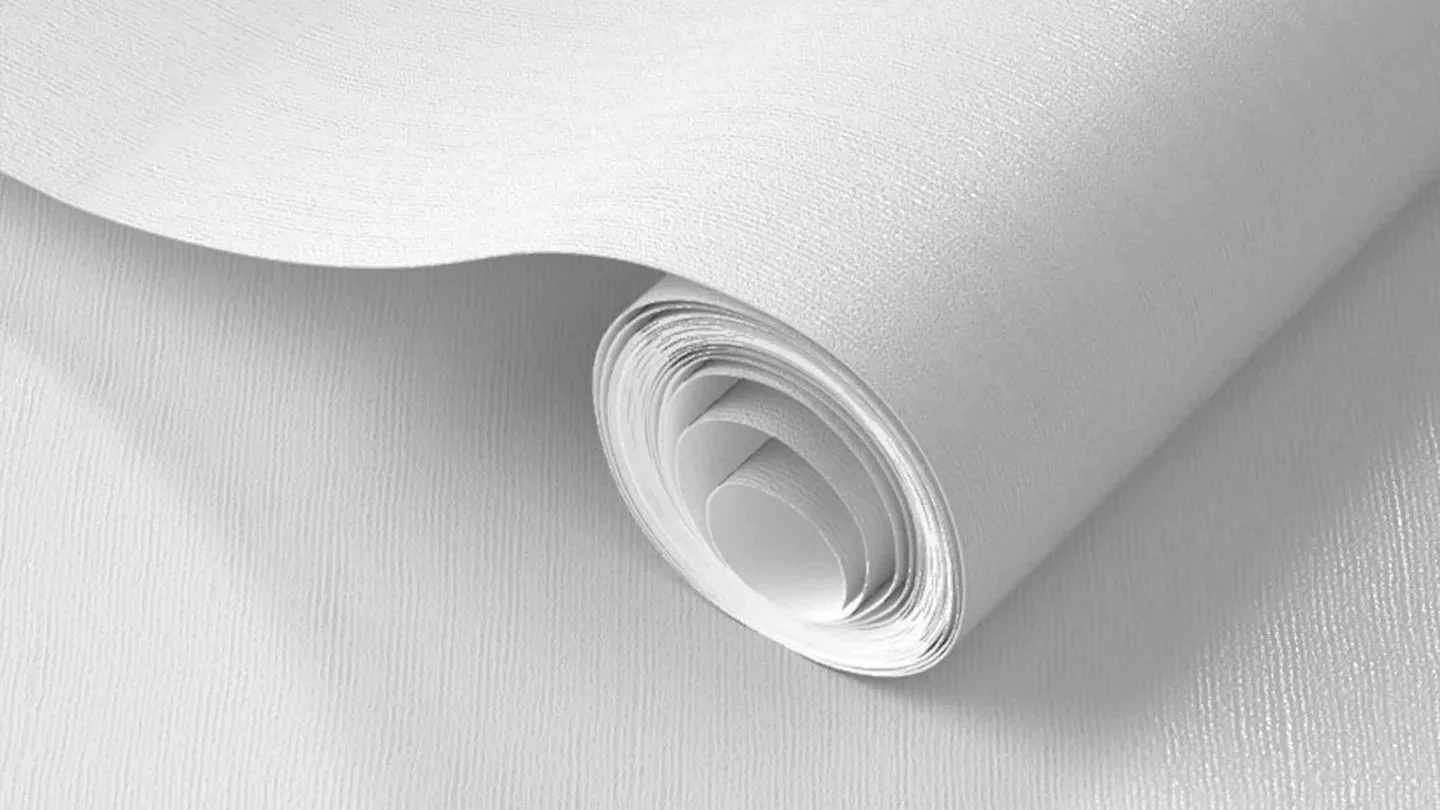
Not all “commercial” wallpaper is vinyl anymore. A new PVC-free Type II wallcovering in my lineup gives us a durable, hospitality-grade option that’s kinder to indoor air—and still beautiful enough for homes.
If you’ve worked with me for a while, you know I’m very particular about what goes on the wall. It has to be beautiful, of course—but it also has to behave: stand up to real life, clean well, and, ideally, support better indoor air quality instead of working against it.
This week I’ve added a new wallpaper substrate to my lineup: a PVC-free Type II non-pasted wallcovering. Think of it as the commercial-grade durability you’d expect in hotels and restaurants, but without PVC—and with a softer, linen-like surface that still lets the pattern shine.
This is the material I’ll be recommending when I hear concerns such as:
“This hallway gets the brunt of our traffic.”
“We have kids, pets, and guests constantly.”
“We want something beautiful that also feels like a more considered choice for health and environment.”
Let’s walk through what it is, where it works best, and how it compares to traditional vinyl wallcoverings.
What is PVC-free Type II wallcovering, in plain language?
In the commercial world, “Type II” usually means thicker, tougher wallcovering made to handle bumps, cleaning, and daily traffic. The wallpaper is also tested for durability and fire performance (this one holds a Class A fire rating).
For years, most Type II products were vinyl-based. This new substrate is different because it’s PVC-free. This means that, instead of a vinyl face, it uses a polyester/natural-fiber surface with a refined linen emboss.
Underneath the face is a woven, post-consumer recycled polyester backing for strength and stability. Total recycled content is about 31%. As with all the wallpaper substrates I put my designs on, this wallpaper is also digitally printed in the U.S. with water-based latex inks, which means strong color, good durability, and no solvent smell. And, it has a linen-textured, matte finish that feels more like a luxury wall textile than vinyl.
You still get the “workhorse” performance of a commercial wallcovering—but without PVC, which is a comfort if you’re trying to reduce certain plastics in your environment or you’re simply sensitive to off-gassing.
How PVC-free compares to traditional vinyl wallcovering
I still offer a true vinyl Type II wallcovering for projects where that’s the best fit. This new PVC-free option simply gives us another lane—and in many cases, a better one.
Both substrates generally offer:
High durability for busy spaces (hotel corridors, restaurants, kids’ spaces, mudrooms, stairs, elevators, offices).
Cleanability with mild soap and water and a soft cloth (no harsh solvents or abrasives).
A solid, stable backing that helps the wallcovering lie flat and perform well over time.
Where PVC-free Type II really shines:
Indoor air quality: Avoiding PVC is a plus for those wanting to minimize certain plastics indoors, or who simply feel better choosing lower-emission materials where possible.
Tactile experience: The linen emboss gives a softer, textural read—visually and to the touch—rather than the sometimes “shiny” or plasticky look of traditional vinyl.
Sustainability story: The use of post-consumer recycled polyester in the backing and water-based latex inks adds up to a more thoughtful choice for many projects.
If we’re working together on a project and you tell me you’re sensitive to materials, prefer PVC-free options where possible, or you’re a professional I’m collaborating with who is designing for clients with health considerations, this is likely the substrate I’d reach for first.
Where I’ll be recommending PVC-free Type II in real projects
This is not a “just for show” substrate. It’s meant for hardworking spaces. Examples where it’s a strong candidate:
Hallways and stairwells that get brushed, bumped, and leaned on daily.
Kid-heavy zones: playrooms, bunkroom corridors, family room walls behind sofas.
Entryways and mudrooms where bags, coats, and gear meet the wall.
Hospitality and commercial spaces: boutique hotels, restaurants, medical offices, and client-facing spaces where both aesthetics and durability matter.
If you’ve ever looked at a gorgeous patterned wall and thought, “I love it, but it won’t last five minutes in this house / this lobby,” this is exactly the sort of material that changes that equation.
A quick word about installation and expectations
Like any commercial-grade wallcovering, this one:
Needs professional installation. It’s untrimmed and intended to be double-cut on the wall for clean seams.
Wants good wall prep: smooth, primed, dry walls with appropriate primer and adhesive (your installer will know what to use).
Shouldn’t be creased or roughly folded—it behaves more like a textile-backed wallcovering, so care during handling matters.
Behind the scenes, your installer will be:
Letting the rolls acclimate to room temperature.
Priming the walls with a mold-inhibiting, pigmented primer.
Applying adhesive evenly, booking the material (folding without creasing), then smoothing it onto the wall and double-cutting seams for a nearly invisible join.
You don’t have to manage any of that—but it’s helpful to know that this is a serious material that deserves a serious installer. It’s not a peel-and-stick situation or a good match for temporary melamine, foam core, or similar boards.
Who this substrate is for (and who it isn’t)
It’s a strong fit if you:
Love the idea of patterned walls in busy areas but worry about scrapes, fingerprints, and frequent cleaning.
Prefer to minimize PVC where you can, whether for environmental or personal-sensitivity reasons.
Are designing or renovating hospitality, office, or healthcare spaces and want a residential-level beauty with commercial-level performance.
Want a wallcovering that feels textural and elevated rather than shiny or plasticky.
It’s not the best fit if you:
Need a quick, temporary solution for a short-term rental or staging.
Don’t plan to use a professional installer.
Are dealing with walls that are in poor condition and need more extensive remediation before they’re ready for any wallcovering.
In those cases, if we’re working together, we can look at other substrates or even interim paint and art solutions while a longer-term plan comes together.
How this fits into my broader wallpaper offerings
Going forward, when we’re talking about wallpaper for a project, you’ll likely hear me talk about a few different substrate options:
A standard, beautiful residential paper for lower-traffic zones.
A true vinyl Type II for specific commercial or highly specialized use-cases.
This new PVC-free Type II for busy-but-beauty-conscious spaces where indoor air quality, tactility, and longevity all matter.
The best substrate for your project is chosen based on how the wall will be used, who will be near it, and how long we want it to last before anyone even thinks about changing it.
If you’re an interiors professional and you’d like support choosing wallpaper (and fabrics) for your projects—or you want a pattern collaborator who understands the realities of your workflow—I’d be glad to talk about working together. You can:
Visit my website to explore my wallpaper and fabric collections.
Reach out to start a conversation about an upcoming space, whether it’s residential, commercial, or somewhere in between.
Subscribe to Surface & Space for new articles in your inbox and instant access to two free printable substrate guides (wallpaper & fabric), plus a bonus PDF on Conscious Creators of Gentle Textiles.