“Reupholstery Costs Too Much.” The Value Behind the Price
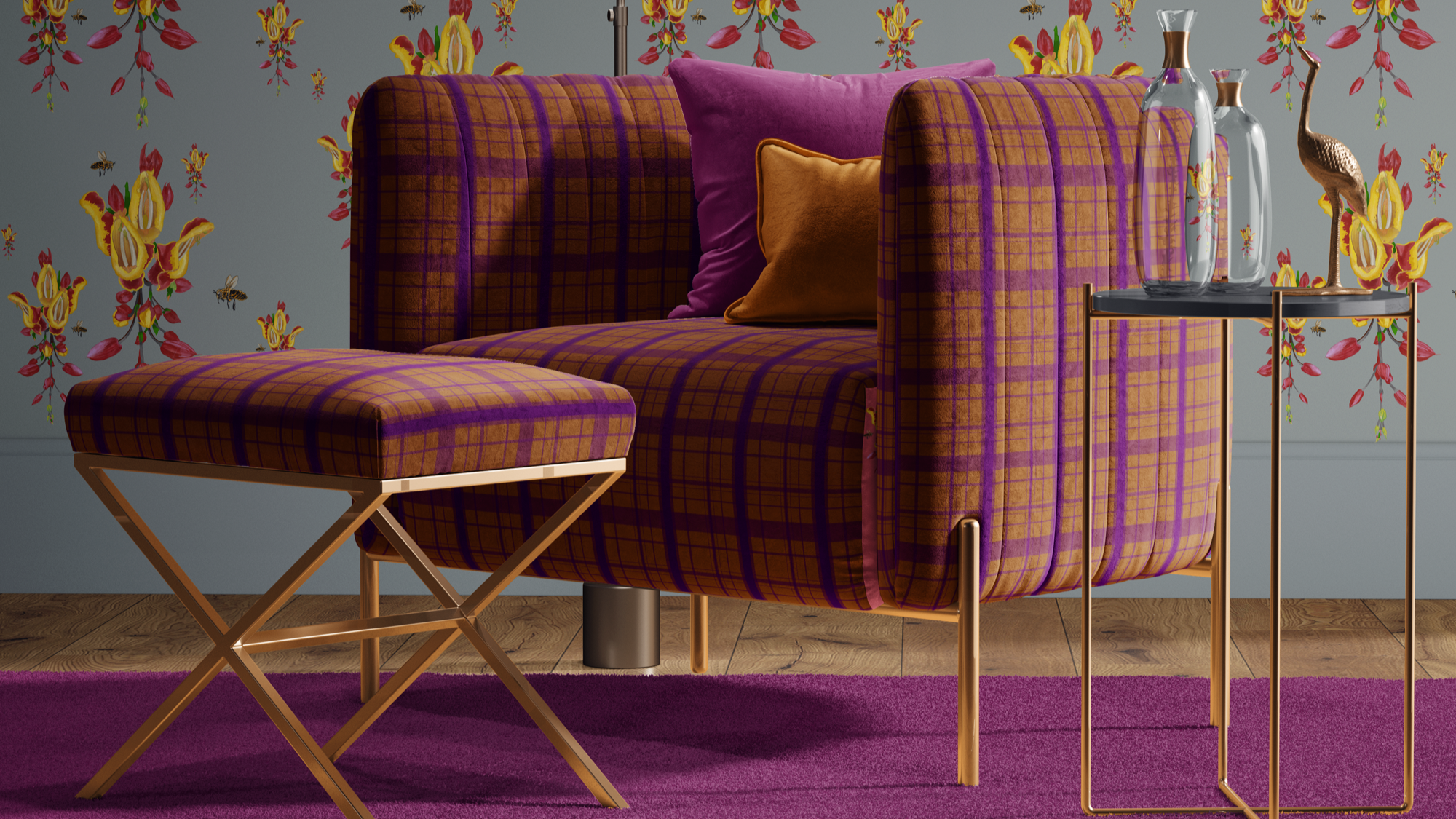
“Reupholstery costs too much” is a really common first reaction when we talk about up-cycling beloved furniture and pillows. Often, the problem isn’t the number itself—it’s not knowing what’s actually included in that number. In this post, I’m breaking down where the cost of reupholstery goes, when it’s worth it, and why pairing it with beautiful fabric can be one of the most strategic investments in a room.
Why reupholstery sounds expensive (and why that can be misleading)
Reupholstery often gets compared—unfairly—to the price of a brand-new, mass-produced piece of furniture from a retailer. On paper, the numbers can look stark:
“I could buy a new chair for the same price.”
“Why is it so much when I’m just ‘changing the fabric’?”
The problem is the comparison.
A reupholstered piece sits much closer to:
A custom, made-to-order piece in a higher-end line,
Plus the cost of tailored labor,
Plus the value of keeping a well-made frame or sentimental heirloom in circulation. When put in that category, the conversation shifts from “too much” to “does this align with the quality and story I want in this space?”
What reupholstery actually includes (the real breakdown)
Good reupholstery is not just “putting on new fabric.” Most quality work includes several layers of care you never see in a quick quote line item. While details vary by workroom and region, you’re generally paying for:
1. The frame assessment and repair
Inspecting and tightening the joints.
Addressing squeaks, wobbles, or structural issues.
Sometimes re-gluing or reinforcing the frame so it lasts for years more.
A solid frame is what makes a reupholstered piece feel better than many brand-new pieces right out of the box.
2. Springs, webbing, and seat structure
Re-tying springs or replacing webbing if needed.
Adjusting seat tension so it’s not too saggy or too hard.
This is the invisible comfort factor that clients feel the second they sit down.
3. Padding and comfort
Refreshing or replacing foam or batting.
Shaping arms, backs, and seats so the finished form is crisp and comfortable.
This is often where a tired piece suddenly feels “new,” not just recovered.
4. Pattern placement and tailoring
Measuring and planning the layout of the fabric (especially important with patterned fabric).
Centering motifs, aligning stripes, and matching seams across cushions and arms.
Cutting and sewing with precision so the finished piece looks intentional, not accidental.
This is where craftsmanship, fabric substrate, and pattern choices truly show.
5. Finishing details
Welting or contrast piping.
Buttons, tufting, skirt construction, or leg refinishing.
Professional steaming, pressing, and presentation.
6. The uniqueness of you
Creating a room focal point or anchor
Making a statement
Incorporating a piece that is truly something one-of-a-kind
Tying your intention for the space together
All of those steps together create a result that’s closer to a custom-made piece than a quick refresh. That’s what the quote reflects.
The “new chair vs reupholster” myth
A common objection sounds like this:
“I saw a chair online for less than the reupholstery quote. Why not just buy that instead?”
Here’s what’s usually being compared:
New, mass-produced chair:
Unknown frame quality.
Entry-level foam and fillers.
Generic fabric that may not wear well or suit the room.
Limited control over scale, comfort, or style details.
vs.
Reupholstered, likely better-made piece:
Solid frame already proven over time.
Upgraded padding, tailored to comfort.
Fabric you’ve chosen intentionally for the space (pattern, performance, palette).
Ability to tweak details like skirt shape, cushion style, and trim.
The real question isn’t “Which is cheaper?” It’s:
Which will feel better to sit in?
Which will still look good in five years?
Which supports the story you’re telling in the room?
Which truly suits the homeowner or end-user(s) of the space?
In many cases, reupholstery plus a quality fabric is actually the more sustainable, more satisfying long-term choice—even if the upfront number is higher than a quick retail swap.
When reupholstery is absolutely worth it
Reupholstery shines when at least one of the following is true:
The frame is genuinely good. — Vintage, antique, or simply well-made pieces with solid joinery and good proportions are ideal candidates.
The piece fits the room perfectly. — Maybe the size, arm shape, or seat height are just right, and replacing it would mean compromising on comfort or scale.
There’s sentimental value. — Family pieces, heirlooms, or “we bought this when…” items often deserve another life in updated fabric.
You’re investing in design cohesion. — Reupholstery allows you to bring existing furniture into a new scheme using your chosen fabric, instead of endlessly hunting for something that sort-of matches.
In these cases, the value isn’t just financial. It’s emotional, practical, and aesthetic.
When reupholstery might not be the right move
Part of a healthy, educational conversation is knowing when to say, “In this scenario, it might not be worth it.” Reupholstery is less ideal when:
The frame is poor quality from the start (wobbly, particleboard, or not built to last).
The silhouette is uncomfortable or fundamentally wrong for the space.
The cost of structural repair would ultimately exceed the value (joy or financial) of the item, even when finished.
In those situations, it’s more honest—and more strategic—to invest in a better-quality new piece, then consider custom fabric choices from there. And, for those who purchase a newly-made piece of furniture but don’t LOVE its fabric finish, reupholstery is still an option to make it truly yours and solidify its place in the space.
The value of pairing reupholstery with beautiful fabric
Where reupholstery truly shines in a design context is when it’s paired with fabric that elevates the piece and the room. Thoughtful textile choices can:
• Transform an inherited chair into a focal point that looks intentional in a modern scheme.
• Tie an existing piece into a new wallpaper, rug, or color palette so it feels designed, not leftover.
• Showcase a beloved pattern on a furniture silhouette that already has character and presence.
For designers, reupholstery is also an opportunity to:
• Create truly one-of-a-kind pieces.
• Create before-and-after stories that speak to transformation and craftsmanship—not just consumption.
• Demonstrate your ability to see potential where others see “dated.”
Business reality: how reupholstery supports your design practice
For interior designers and decorators, reupholstery can be a powerful part of your business model when framed clearly:
Margin and expertise — You’re not only sourcing fabric—you’re orchestrating the entire transformation. That project management and creative direction are valuable, and your fees should reflect it.
Portfolio differentiation — A room with thoughtfully reupholstered pieces often feels richer and more layered than one filled entirely with new catalog items. That layered look is often what attracts future clients.
Sustainability story — Reupholstery is one of the most tangible ways to honor sustainability without sacrificing beauty. Keeping well-made frames out of landfills and investing in long-lived textile choices aligns with a more considered approach to design.
Joy and Satisfaction — Helping a client fall back in love with an existing piece—rather than insisting on replacing it—builds trust. Clients remember that you respected their history and budget, and they come back.
If you’re looking at a room full of “almost right” pieces and wondering whether reupholstery is worth it, I’d love to help you weigh the options. Whether you’re a homeowner ready to invest in a few key pieces or a designer wanting to specify fabric and reupholstery for a project, you can reach out to me to start the conversation.
Curious how my fabrics might transform a piece you already own? You can purchase samples directly from any collection page by clicking “Request A Sample” on my website. I recommend, once you receive your sample, drape the sample on the piece it’s destined for and “live” with it through different stages of the day and night, that way you can really explore how it will feel in your space. Visit my curated wallpaper and fabric collections.
Subscribe to Surface & Space for new articles in your inbox and instant access to two free printable substrate guides (wallpaper & fabric), plus a bonus PDF on Conscious Creators of Gentle Textiles.
© 2025-2026 Gabrielle Hewson. All rights reserved. You’re welcome to share links to this article, but please don’t copy or republish the text or images without my written permission. For licensing, permissions, or any other use beyond linking, please contact me directly.