Reupholstery for the Next Season: Improving What You Already Love
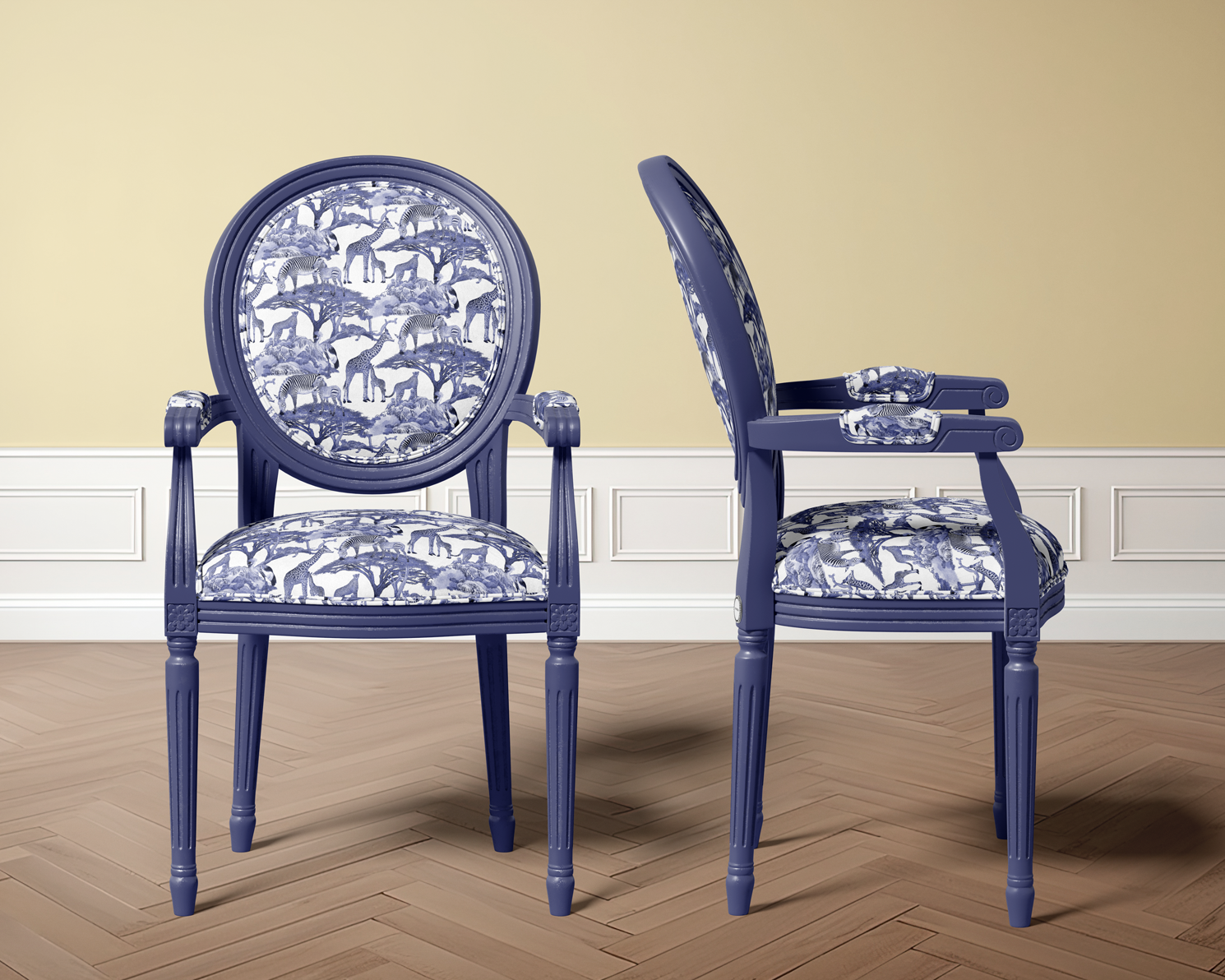
Reupholstery is not just about replacing fabric. It is an opportunity to improve comfort, structure, longevity, and meaning—so a well-loved piece can carry forward into the next season of how a room is lived in.
Why This Conversation Matters
There is a quiet moment that happens in many homes. A piece of furniture that has been part of daily life—sat on, leaned into, lived around—begins to feel tired. The fabric may be worn. The cushions may have softened too far. The room may have changed around it.
And the question becomes: Is it time to replace this?
Sometimes the answer is yes. But often, the better question is: What would happen if this piece were improved instead of replaced? Because reupholstery, when approached thoughtfully, is not simply repair. It is an opportunity to bring a piece forward—more comfortable, more supportive, more aligned with the room, and more prepared for the next human season it will serve.
A Piece of Furniture Does Not Have to End When the Fabric Wears Out
Fabric is the most visible layer of a piece, but it is rarely the most important one. Beneath the textile is structure. Beneath the wear is proportion. Beneath the fading is a form that may still be doing exactly what the room needs. A chair can still be beautifully shaped. A sofa can still hold the room correctly. A bench can still fit a space in a way that is difficult to replace. What has changed is not always the piece itself. It is often the surface and the support. And that is where reupholstery becomes not just viable, but valuable.
Reupholstery is a Chance to Improve, Not Just Restore
One of the most overlooked aspects of reupholstery is that it allows for physical improvement—not just visual change. When a piece is opened up, it can be reworked in ways that make it function better than it did before. This may include:
Rebuilding or refining the cushion fill for better support and longevity
Adjusting seat firmness or softness based on how the piece is actually used
Replacing worn-out foam with higher-quality materials
Adding structure where the piece has begun to sag or collapse
Re-tensioning springs or webbing
Correcting uneven wear
A piece that once felt tired can come back feeling grounded, supportive, and genuinely comfortable again.
That is not cosmetic. That is experiential.
Comfort is Not Fixed—It Can Be Re-Engineered
Many people assume that if a piece is no longer comfortable, the piece itself is flawed. But comfort is often the result of materials that have worn down, not design that has failed. Reupholstery allows you to revisit comfort with intention. You can ask: Should this seat feel firmer? Should it have more give? Does it need to support longer sitting? Should it feel more structured or more relaxed? These are not small questions. They shape how the piece will be lived in for years to come.
Wood, Frame, and Structure Can Be Restored—Not Just Covered
Fabric is only one part of what can be addressed. Reupholstery often creates the opportunity to:
Refinish or refresh exposed wood elements
Repair minor frame issues
Tighten joints
Address wear that would otherwise continue unnoticed
Clean and restore details that have dulled over time
This is especially meaningful in pieces where the wood itself contributes to the character of the furniture. A piece does not need to be stripped of its history to feel renewed. It can be cared for in a way that allows its original qualities to come forward again.
Performance Fabrics Make the Next Season More Livable
Reupholstery is not only about honoring what a piece has been. It is also about preparing it for what it will be next. This is where performance fabrics can become especially valuable. When a piece is going back into daily life—especially in: family rooms, dining areas, banquettes, reading chairs, children’s spaces, or shared seating. It makes sense to consider how the fabric will support that use. Performance-minded fabrics can:
Hold up better under repeated use
Be easier to live with day to day
Support a more relaxed relationship with the piece
Maintain their appearance longer
That does not mean every reupholstered piece should feel purely utilitarian. It means the textile should match the way the piece will be used.
Natural-feeling fabrics still matter
At the same time, not every piece needs to carry the same level of performance. Some pieces benefit more from softness, tactility, and a more natural-feeling surface. This is where fabrics like Belgian Linen, linen cotton canvas, performance linen, or performance velvet can bring something different to the room. They can:
Soften the visual language of a piece
Add warmth
Introduce texture
Create a more relaxed or more refined presence
The goal is appropriateness. Each piece should be allowed to do its job well.
Reupholstery Preserves More Than Structure—It Preserves Meaning
There is also a quieter layer to this conversation. Some furniture carries history. A chair that belonged to a grandparent. A bench that has been part of a home through multiple moves. A piece that has held conversations, routines, and everyday life.
Replacing that piece is not the same as renewing it. Reupholstery allows you to keep the presence of the piece while letting it evolve. It allows the object to remain, but the expression to change. Rooms feel different when they include pieces that have lived before.
Sustainability is Not Just Material—It is Decision-Making
It is easy to talk about sustainability in terms of materials alone. But I think it is equally about discernment. Choosing not to discard a well-made piece unnecessarily is a meaningful act. Reupholstery can:
Extend the life of a quality frame
Reduce waste
Avoid replacing something with a lesser-made alternative
Allow materials already in use to continue serving
That does not mean every piece should be saved. But it does mean replacement should be intentional, not automatic. Sometimes the more sustainable choice is not finding something new. It is seeing what is already there more clearly.
A Reupholstered Piece of Furniture Can Reconnect the Room
When a piece is reupholstered thoughtfully, it often becomes more than just “updated.” It becomes integrated again. The new textile can:
Relate to wallpaper or wall color
Echo tones in the room
Support the overall atmosphere
Bring the piece back into conversation with its surroundings
This is especially important in rooms that have evolved over time. A piece that once felt out of place can suddenly feel like it belongs again—not because it changed completely, but because it was guided back into alignment.
This is What the Next Human Season Really Means
Furniture is not static. It moves through time with us. A piece that once served a quieter household may now need to support a busier one. A room that once felt formal may now need to feel more relaxed. A space that once held one kind of life may now be asked to hold another. Reupholstery allows a piece to move with those changes. Not by discarding what it has been, but by strengthening what it can become.
For Designers and Decorators
Reupholstery is one of the most powerful ways to improve a room without erasing it. It allows you to:
Preserve strong forms and good craftsmanship
Improve comfort and usability
Introduce better-performing materials
Refine how a piece contributes to the room
Build continuity between old and new
It is not just a technical process. It is a design decision.
For Homeowners and Small Business Owners
If you have a piece that feels almost right—but not quite—I would pause before letting it go. Ask: Is the frame good? Is the shape worth keeping? Could better support improve comfort? Would a different fabric change how I see it? Does this piece hold meaning I would rather not lose? If the answer is yes to even a few of those, the piece may not be finished. It may simply be ready for its next version.
When a Piece Needs a New Life, Not a New Frame
Some pieces are ready to leave. But others are still offering something important—structure, proportion, memory, or presence. Reupholstery allows you to keep what matters while improving what does not. It allows the piece to continue forward—more comfortable, more capable, more aligned with the room it now belongs to. And often, that is exactly what the space needs.
If you’re an interior designer or interior decorator and want a textile-focused partner to help evaluate pieces, refine upholstery choices, and build a more cohesive fabric story, I’d love to collaborate.
If you’re reading this as someone shaping your own home and have a piece you are not quite ready to part with, I’d be glad to help you think through whether it needs replacing—or simply a better next chapter. You can contact me to engage my interior decorating services.
And if this kind of discussion is helpful, you can:
Subscribe to Surface & Space to have new posts land in your inbox on Fridays, and access a growing library of subscriber-only PDF guides that make decisions about wallpaper, fabrics, and substrates feel more grounded and informed.
© 2025-2026 Gabrielle Hewson. All rights reserved. You’re welcome to share links to this article, but please don’t copy or republish the text or images without my written permission. For licensing, permissions, or any other use beyond linking, please contact me directly.