What Living With a Home Over Time Can Teach Us
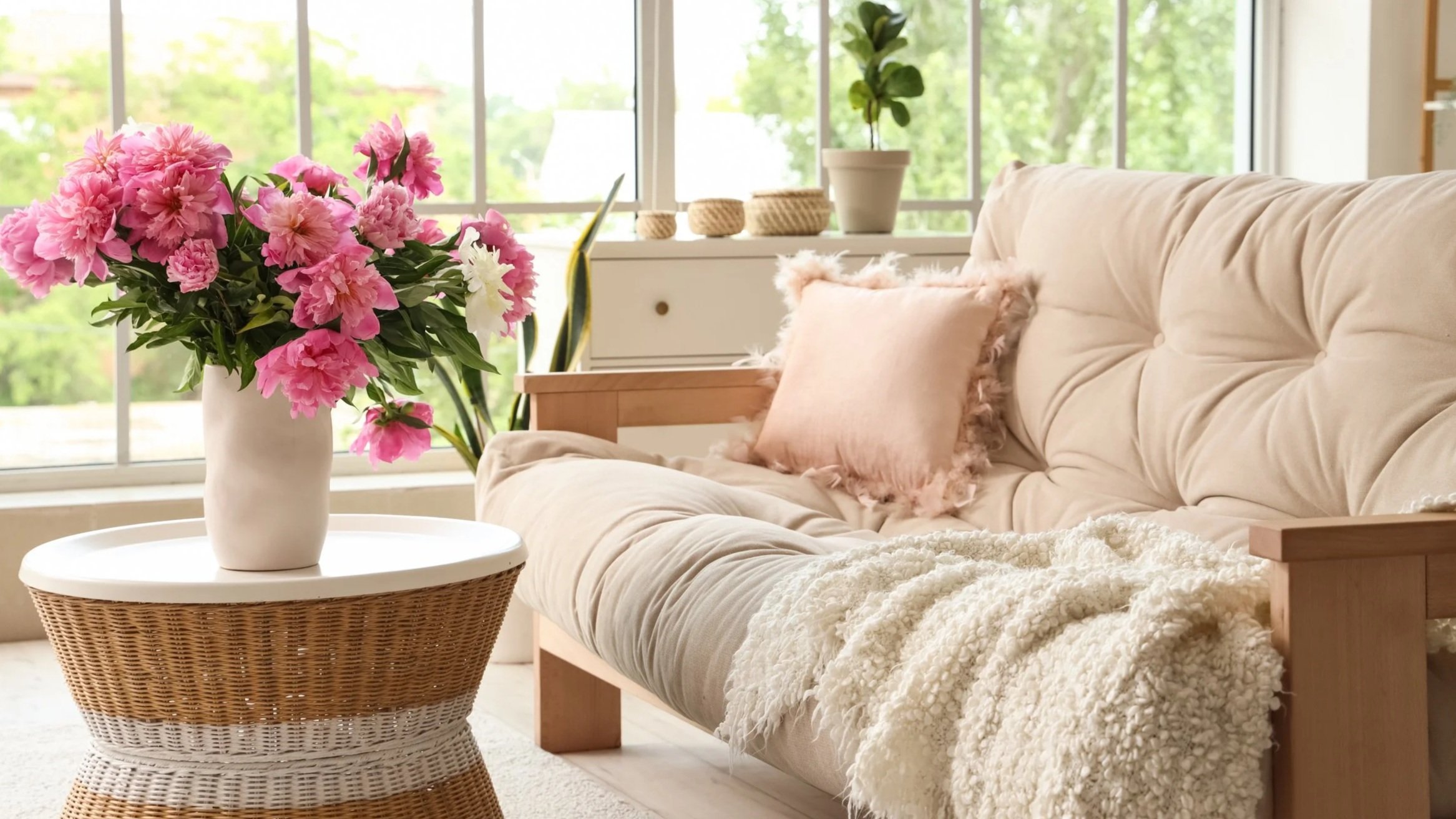
Time has a way of helping us understand our homes more clearly than first impressions ever could.
By the middle of summer, many of us have lived with our homes long enough to begin seeing them a little differently.
The urgency of spring has passed. Gardens have matured. Windows have spent weeks standing open. Friends and family have gathered. Morning light, afternoon sun, and long evenings have quietly moved through every room, revealing how the house is actually experienced rather than how we first imagined it would be.
Perhaps the kitchen has become the natural gathering place you hoped it would be. Perhaps the dining room remains underused. Maybe the bedroom feels restful while the living room never seems to settle, despite furnishings you genuinely love. A home is rarely understood all at once. It reveals itself through daily living, one room at a time.
This type of thoughtful observation has always been one of the most valuable tools in evaluating interiors — what rooms draw the most gathering ops as well as which rooms are potentially underutilized.
I appreciate midsummer for many reasons but one is that it gives us enough lived experience to begin noticing the subtle relationships that shape how a home feels. We begin to recognize where natural light lingers, how circulation actually plays out, where we naturally choose to sit, and which rooms invite us to remain a little longer. We also begin noticing where something feels unresolved—not because the room is poorly designed, but because one or more elements haven't yet found their relationship with everything around them.
Because of this, I like to encourage clients to spend time observing before making additional purchases. Walk through every room—not with the intention of finding flaws, but with genuine curiosity. Sit in each space during different times of day. Pay attention to how the room supports its purpose, how it feels to spend time there, and whether the architecture, furnishings, finishes, lighting, wallpaper, fabrics, and decorative surfaces are working together as a unified whole.
Often, the next step isn't replacing what you already own. It's recognizing how the existing elements can relate to one another more successfully in the same room or another.
Wallpaper, interior fabrics, color, texture, and pattern have a remarkable ability to strengthen those relationships. They can establish continuity between adjoining spaces, soften transitions, reinforce architectural character, and help every room feel more intentionally connected to the home as a whole. They don't simply add decoration. They contribute to the impression, cadence, and visual continuity that allow a home to feel comfortably settled over time for those inhabiting it.
If you're beginning to think about projects for autumn, resist the temptation to begin with a shopping list. Begin by paying attention. The strongest interiors rarely begin with buying something new. They begin by understanding how every room has quietly been teaching us what it needs all along.
If this has been helpful, you can:
Subscribe to Surface & Space to have new posts land in your inbox on Fridays.
Access a growing library of subscriber-only PDF guides that make decisions about wallpaper, fabrics, and substrates feel more grounded and informed.
© 2026 Gabrielle Hewson. All rights reserved. You’re welcome to share links to this article, but please don’t copy or republish the text or images without my written permission. For licensing, permissions, or any other use beyond linking, please contact me directly.