Velvet in Real Life: Where it Shines and Where to Think Twice
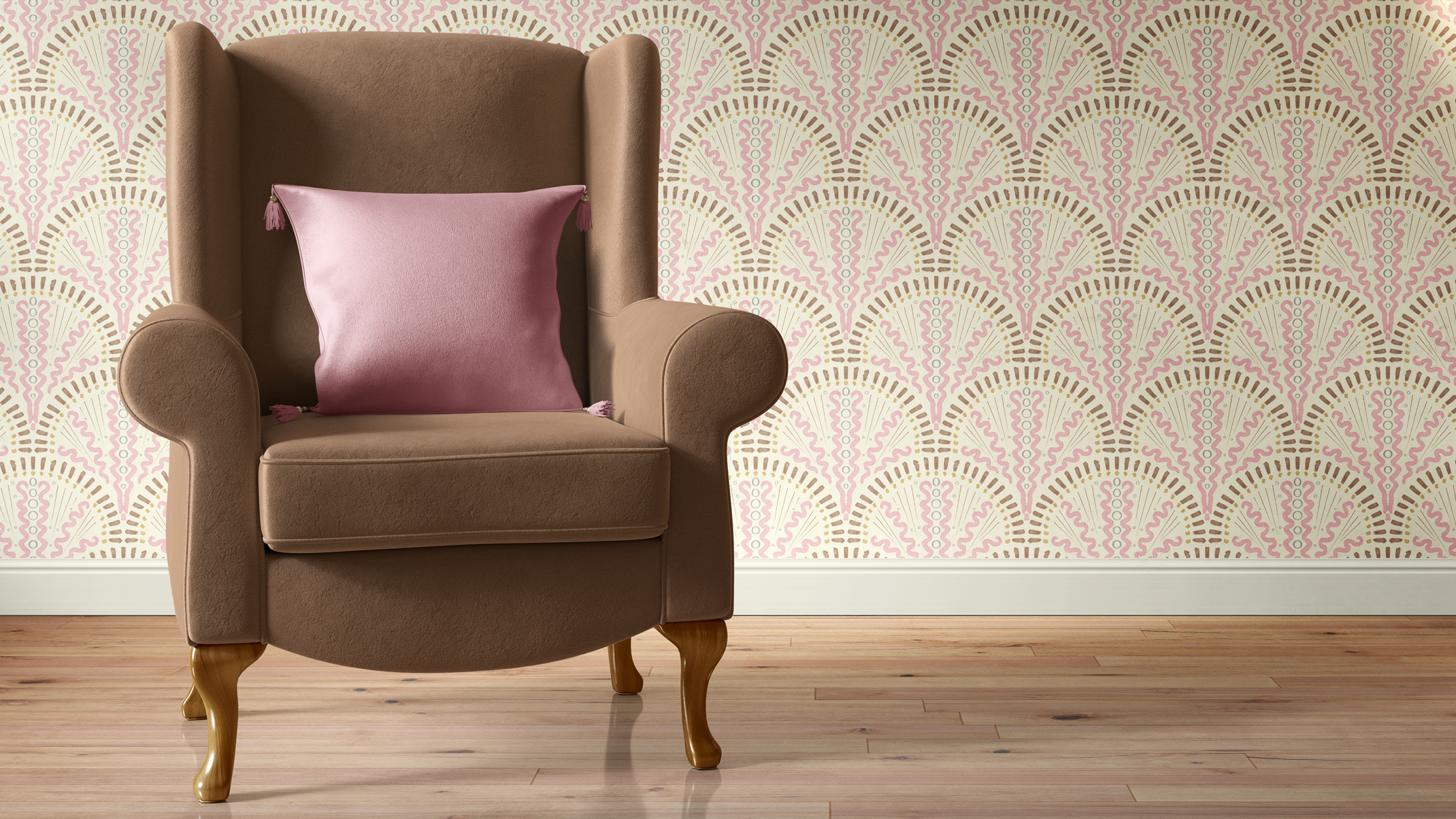
Velvet has a reputation: luxurious, dramatic, a little bit “don’t touch.” In real life, though, it can be both practical and beautiful—if you use the right type of velvet in the right place. From traditional cotton velvets to modern performance velvets and plush substrates like Celosia Velvet, each behaves differently under everyday use. In this post, I’m sharing where velvet really shines, when to think twice, and why certain velvets have become my favorites for spaces that are actually lived in.
Not all velvet is the same
“Velvet” describes a construction (a woven fabric with upright yarns that form a short, dense, warp pile), not one single material. Different fibers produce very different personalities:
Cotton velvets
Soft, matte or low-sheen.
Can feel warm, vintage, or tailored.
Silk velvets
Luminous, fluid, high-sheen.
Very elegant, often more delicate.
Mohair velvets
Exceptionally durable, springy pile.
Great for heirloom-level pieces, often with a more investment-level price.
Synthetic / blended velvets
Often more light- and abrasion-resistant.
Come in a wide range of sheens and textures.
Performance velvets
Engineered for everyday use: higher durability, better cleanability.
Designed to handle real life more gracefully.
Plush, statement velvets (like Celosia Velvet–type substrates)
Deep, luxurious pile with rich color and visible movement.
The “wow” fabric—especially beautiful in saturated hues.
Understanding which velvet you’re working with is the first step to placing it where it can shine.
Where velvet really shines
Velvet is at its best when those using the space are meant to feel held, comfortable, and a little bit indulged.
1. Accent chairs and statement seating
Velvet on an accent chair is one of the most forgiving ways to enjoy it:
It catches the light beautifully.
It adds instant depth to a corner or conversation area.
It reads as “special” without needing pattern.
This is where I especially love plush, Celosia-style velvets—their saturated color and movement in the pile can turn a simple chair into a focal point.
2. Ottomans and benches (in the right rooms)
Velvet on a bench at the end of a bed, a window seat in a calmer room, or an ottoman in a living space used with some care can feel incredibly inviting.
Here, performance velvet often shines:
Soft and comfortable.
More resistant to marks and spills.
Polished enough to anchor the room.
3. Headboards and bedroom accents
Velvet headboards and bed benches:
Bring softness where it’s needed most.
Look rich without being loud.
Are somewhat protected from the hardest wear of everyday life.
A Celosia-type velvet in a deep color on a headboard can serve to plushly anchor the whole room.
4. Pillows and smaller soft goods
If you love the look of velvet but aren’t ready to commit on larger pieces, pillows are a beautiful way to start:
They introduce texture and depth on simpler upholstery.
They layer well with patterned textiles.
They can be changed seasonally or as tastes evolve.
Where to think twice (or choose your velvet carefully)
Velvet doesn’t have to be off-limits in hardworking spaces, but some scenarios call for extra thought.
1. Main family sofas and sectionals
If the sofa is where everyone piles in daily—kids, pets, snacks, naps—it’s worth pausing before choosing a delicate velvet.
Think twice about:
Very high-sheen, light-colored velvets that show every mark.
Velvets with a very open or delicate pile in the most-used seats.
If velvet is a must here, a durable performance velvet is usually the best option, paired with realistic expectations about care.
2. Direct sun and intense light
Velvets—especially deep colors—can be sensitive to:
Long-term sun exposure.
Uneven fading if only part of the piece gets direct light.
In rooms with strong sun:
Consider performance velvet or more light-stable constructions.
Use window treatments or UV-filtering measures.
Place the most precious or saturated velvet pieces slightly out of the harshest rays.
3. High-mess eating zones
Velvet on breakfast banquettes or everyday dining chairs can be a lot to ask in busy households.
Here, I usually either:
Suggest a performance velvet paired with realistic care, or
Recommend a different, more wipeable performance fabric for the seat, and save velvet for nearby accents (a bar stool back, a host chair, or a nearby lounge chair).
4. Spaces with heavy pet traffic
Pet hair can cling to velvet, and claws can be rough on more delicate piles.
Velvet isn’t impossible with pets, but:
Shorter, denser piles and performance velvets usually fare better.
Placing velvet on backs and accent pieces instead of the main “pet throne” seat can be a good compromise.
Why I love Celosia-style velvet and performance velvet
Different velvets hold different roles in my work, but two substrates I reach for often are:
Celosia-style velvet – the luxurious statement
This type of velvet:
Has a deep, plush pile.
Takes color in a way that feels rich and elevated.
Shows beautiful movement as the light shifts across the surface.
I love using it for:
Accent chairs in living rooms and bedrooms.
Headboards and bed benches where touch and presence matter.
Occasional pieces meant to feel like “jewelry” in the room.
In the hands of a skilled printer, this velvet can look and feel truly luxurious—especially when used with custom pattern or carefully chosen solids.
Performance velvet – the everyday ally
Performance velvet is where comfort and practicality meet. A good performance velvet:
Feels soft and inviting.
Has enough structure to hold a tailored shape.
Offers improved resistance to stains, abrasion, and fading.
I love it for:
Sofas and sectionals in rooms that see real life daily.
Lounge chairs where people put their feet up, snack, and nap.
Benches and ottomans that need to work hard but still look pulled together.
When printed or colored well, performance velvet becomes a workhorse that doesn’t look like a compromise.
Velvet in pattern-rich spaces
In rooms with wallpaper or patterned textiles, velvet can be a grounding counterbalance.
A solid velvet sofa or chair lets custom pattern on walls or drapery shine.
A patterned velvet can become a hero on a single piece when the rest of the room is more edited.
Velvet pillows in colors pulled from the pattern help tie the whole story together.
The key is to decide who’s the lead (wallpaper, patterned fabric, or velvet) and let the others support that role.
For interior professionals: helping those hiring you choose velvet wisely
If you’re an interior designer or decorator, conversations about velvet are often as emotional as they are practical. A few ways to guide them:
Bring multiple velvet samples with different piles and sheens so those using the space can feel the difference.
Pair each sample with an explanation:
“This one is more of a statement velvet—perfect for a chair or headboard.”
“This is the performance option I’d trust for your main family sofa.”
Be honest about maintenance and aging:
How pile marks will look.
How often brushing and vacuuming may be needed.
Where fading is more likely.
Framed this way, velvet becomes a considered choice, not a gamble.
For those using the space: questions to ask before saying yes to velvet
If you’re drawn to velvet but unsure if it’s right for your home or business, a few questions can help:
Where will this piece live, and how often will it be used?
Is this more of a “special seat” or a daily crash spot?
How do you feel about seeing some movement and patina in the pile over time?
Would you be more comfortable starting with a velvet pillow or accent piece?
There’s no requirement to be a “velvet person.” But if you are, or think you might be, choosing the substrate and placement with care is what makes velvet feel like a pleasure instead of a worry.
If you’re reading this as someone planning a new space—or reimagining an existing home or business—and you’d like help building a fabric and wallpaper story that balances texture, pattern, and practicality for those using the space, you’re welcome to reach out through my Contact Me page to learn more about my paid interior decorating services.
And if this kind of conversation is helpful, you can also:
Subscribe to Surface & Space to have new posts land in your inbox on Fridays.
Get access to a growing library of subscriber-only resources—gentle guides, checklists, and tools to help you think through pattern, color, and materials in your own time. I add to this collection regularly, so it becomes a little toolbox you can return to whenever you’re ready.
© 2025-2026 Gabrielle Hewson. All rights reserved. You’re welcome to share links to this article, but please don’t copy or republish the text or images without my written permission. For licensing, permissions, or any other use beyond linking, please contact me directly.