Sustainability in Upholstery: Durable Fabrics, Fewer Replacements, Better Stories
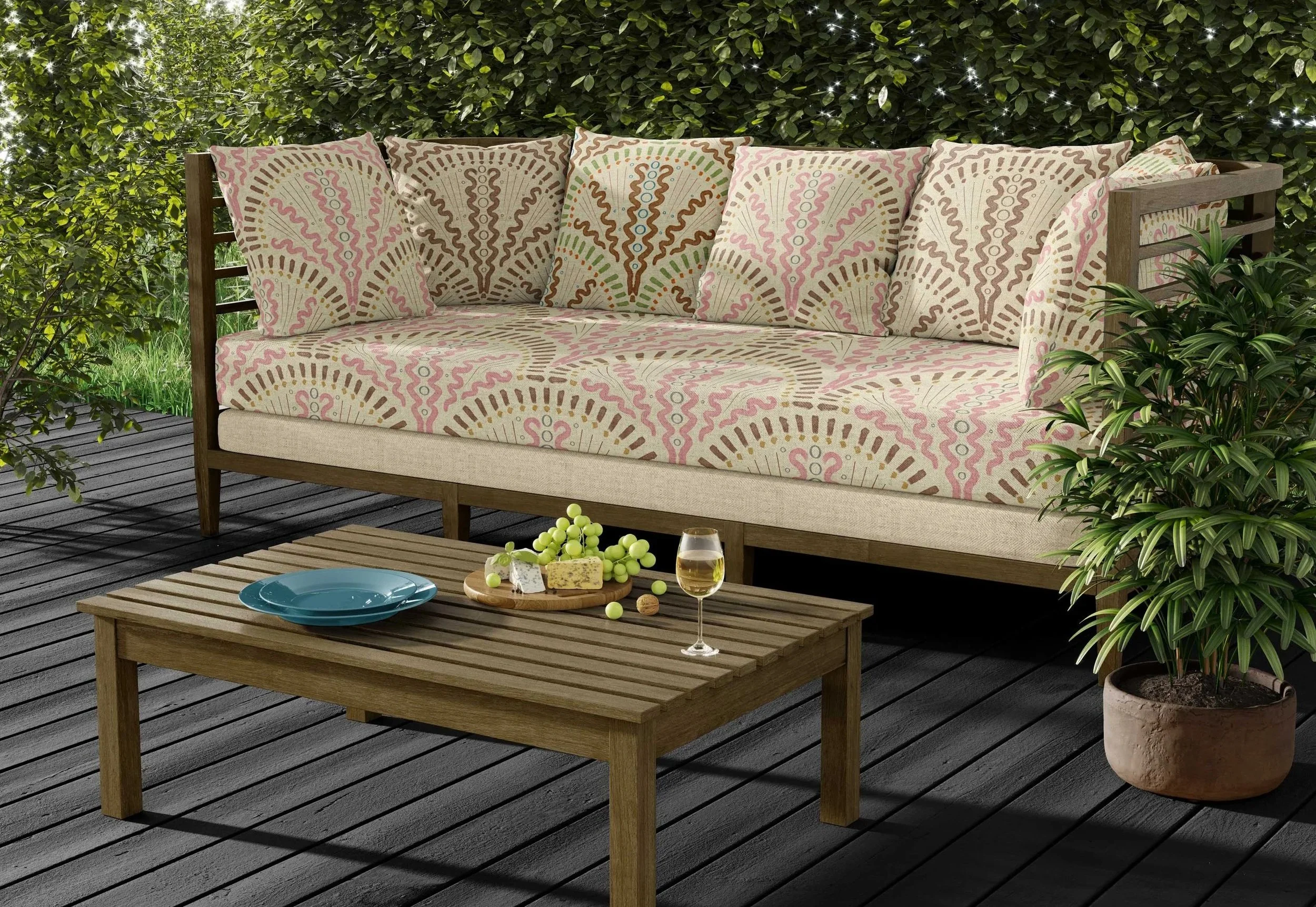
Sustainability in upholstery isn’t just about “eco” labels or trend-driven buzzwords. It’s about choosing fabrics and frames that last, reupholstering instead of replacing when it makes sense, and letting a piece gather memories instead of ending up on the curb. In this post, I’m exploring how durable fabrics, thoughtful upholstery choices, and reupholstery can reduce waste, support those using the space, and create better stories in a room.
Sustainability beyond buzzwords
When people hear “sustainability,” they often think of:
Recycled materials.
Organic fibers.
Low-impact production.
All of these matter. But in upholstery, there’s another powerful lever we sometimes forget:
How long a piece can realistically stay in use.
Sustainability in upholstery lives at the intersection of:
A well-built frame that can stand the test of time.
Durable, appropriate fabrics for how the piece is actually used.
A look and feel that those using the space won’t be tired of in a year.
The goal isn’t perfection. It’s fewer throwaway pieces and more “glad we kept that” moments over the life of a home or business.
Durable fabrics = fewer replacements
Every time a sofa or chair needs to be replaced before its time, there’s a hidden environmental cost:
Materials to make a new frame and fabric.
Shipping and packaging.
Disposal or storage of the old piece.
Choosing fabrics that can stand up to real life extends the lifespan of each piece and reduces the frequency of that cycle.
Durable fabrics don’t have to feel rough or utilitarian. They often look and feel like this:
Performance weaves that are soft but tightly constructed.
Velvets and linens designed for high abrasion and easier cleaning.
Canvas and structured textiles for family-heavy or commercial use.
For those using the space, that means:
Fewer “we can’t sit there” pieces.
Less stress over every spill or scuff.
More years before the “we need a new sofa” conversation really needs to happen.
Durability is one of the quietest, most impactful forms of sustainability in upholstery.
Designing for longevity: fabrics that age well
Not every fabric will look pristine forever—and that’s not always the goal. The key question is:
“How will this fabric age, and will that aging feel like patina or like damage?”
Fabrics that age gracefully often:
Hide minor marks and wear through texture or subtle variation in the weave.
Have a bit of depth—slubs, slight tonal shifts, or a brushed surface.
Feel good on day one and still inviting a few years in.
Examples:
A performance linen–look fabric that softens slightly but holds its structure.
A well-constructed velvet that develops gentle movement in the pile instead of flattening unevenly.
A textured weave that camouflages everyday life instead of showing every fingerprint.
When fabrics are chosen with aging in mind, those using the space are more likely to live with them comfortably instead of constantly trying to protect them.
Reupholstery vs. replacing: keeping good frames in circulation
One of the most sustainable choices in upholstery is simply: don’t throw out a good frame.
Reupholstery makes sense when:
The piece has a solid, sturdy frame (often older or heirloom pieces shine here).
The size and scale still work for the room.
The style can be refreshed with new fabric and possibly new legs or details.
By reupholstering, you:
Avoid the environmental cost of producing a new frame.
Keep a piece out of landfill or long-term storage.
Honor the existing craftsmanship while giving it a new chapter.
Reupholstery paired with durable, well-chosen fabric is a powerful sustainability pairing: the bones stay, the skin changes, and the story continues.
Better stories: what long-lived upholstery brings to a room
There’s a narrative layer to sustainability that doesn’t show up on labels: the stories your furniture carries over time.
A chair or sofa that lives through multiple fabric lives might:
Hold memories of different homes or seasons of life.
Become a recognizable anchor in family photos across the years.
Connect generations—grandparents, parents, kids, and guests.
In businesses or brand spaces, reupholstered pieces can reflect:
A commitment to stewardship rather than disposability.
A link between past and present—heritage and current identity.
When upholstery is chosen well, the piece becomes a character in the story of the space, not a prop that’s constantly being swapped out.
For interior professionals: framing sustainability for those hiring you
Interior decorators and designers may already be quietly making sustainable choices—stronger fabrics, reupholstery recommendations, performance where it matters. Bringing that thinking to the surface can help those hiring you understand the value behind your suggestions.
Some ways to frame it:
“This fabric is not just pretty—it’s likely to give you more years before we need to recover this piece.”
“This frame is worth reupholstering; replacing it would be more wasteful and might not give you better quality.”
“By choosing this durable upholstery now, we’re designing for fewer replacements later.”
You can also build sustainability into your boards by:
Marking which pieces are candidates for future reupholstery.
Calling out where fabric choices are specifically supporting longevity.
This positions sustainability as a thoughtful, integrated part of the process—not an afterthought.
For those using the space: simple ways to choose more sustainable upholstery
You don’t need to be an expert to move your upholstery choices in a more sustainable direction. A few questions to ask before saying yes:
Can this frame be reupholstered later? If yes, you’re not locked into one fabric forever.
Is this fabric appropriate for how we really live? Think spills, pets, kids, and daily habits—not just idealized use.
Will I still like this texture and feel in five years? Trends change fast; your body’s response to comfort doesn’t.
Is this a “season” piece or a “chapter” piece? Some items can be more temporary (pillows, small stools). The main sofa or dining chairs are better as “chapter” pieces—meant to last.
Small shifts—like choosing a more durable upholstery fabric or reupholstering a good frame—add up over time.
If you’re reading this as someone planning a new space—or reimagining an existing home or business—and you’d like help building a fabric and wallpaper story that balances texture, pattern, and practicality for those using the space, you’re welcome to reach out through my Contact Me page to learn more about my paid interior decorating services.
And if this kind of conversation is helpful, you can also:
Subscribe to Surface & Space to have new posts land in your inbox on Fridays.
Get access to a growing library of subscriber-only resources—gentle guides, checklists, and tools to help you think through pattern, color, and materials in your own time. I add to this collection regularly, so it becomes a little toolbox you can return to whenever you’re ready.
© 2025-2026 Gabrielle Hewson. All rights reserved. You’re welcome to share links to this article, but please don’t copy or republish the text or images without my written permission. For licensing, permissions, or any other use beyond linking, please contact me directly.