Why a Curated Fabric Library Elevates Every Project
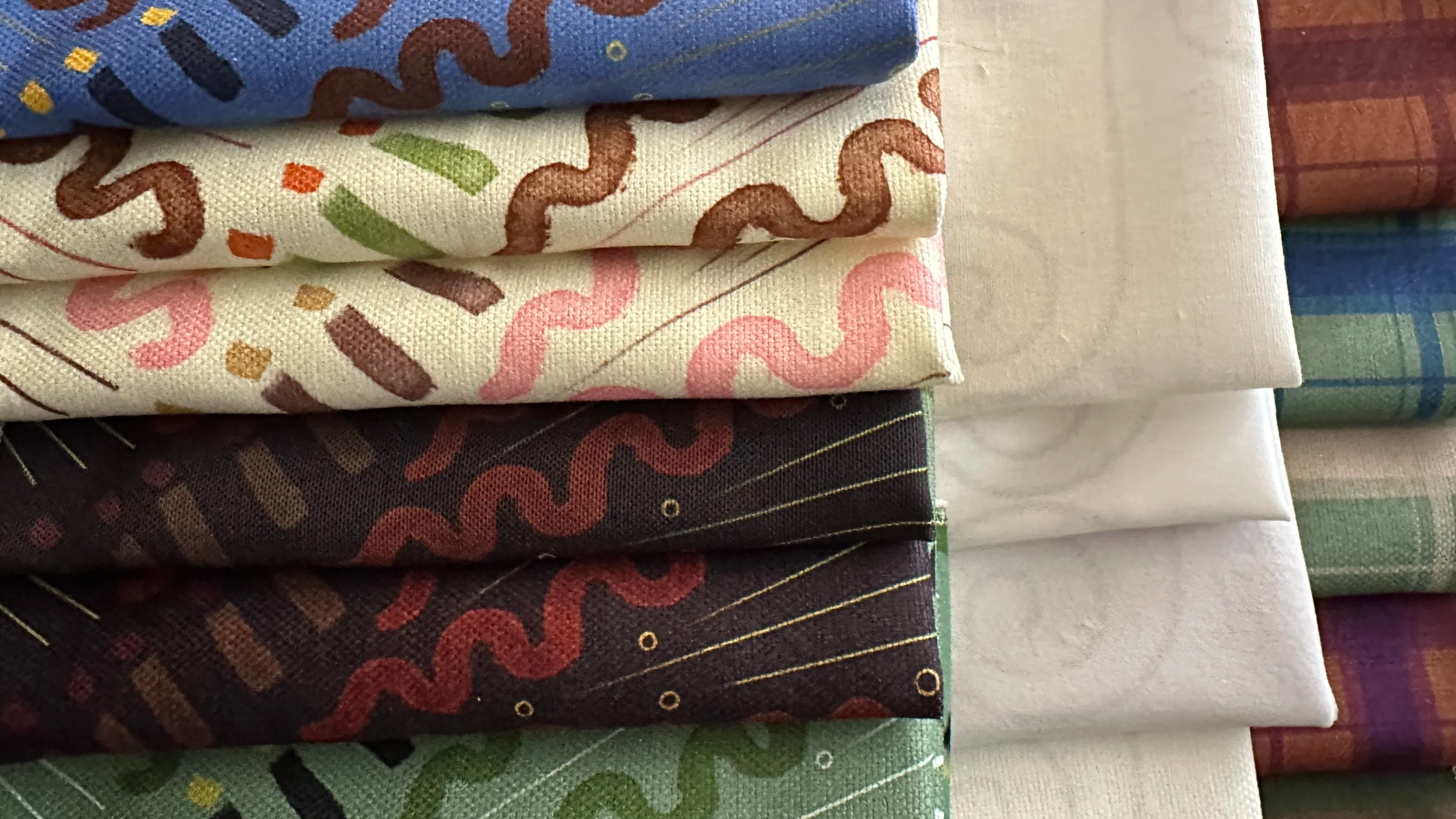
A fabric library isn’t just storage—it’s one of the quietest forms of luxury in a studio. A well-curated library lets you offer those using the space something most retailers can’t: textiles chosen with real rooms, real routines, comfort, and long-term beauty in mind.
The real job of a fabric library
From the outside, a fabric library can look like options. In practice, it holds something more valuable: clarity and confidence.
When your shelves are packed with anything and everything, it becomes harder to pull together strong schemes quickly, harder to show those hiring you the level of refinement you’re actually known for, and easier for people to fixate on something that doesn’t truly belong in the project.
A thoughtfully curated fabric library does something much more useful. It quietly says: If it’s here, I trust it. I know how it looks, feels, wears, and lives once it leaves the memo stage.
That’s where a high-quality fabric library becomes a form of everyday luxury—for you and for those using the spaces you shape.
Big library vs. curated library
This isn’t about being exclusive for its own sake. It’s about alignment.
A huge, everything-goes fabric library may look impressive at first glance, but it often hides the few pieces you truly stand behind. It can also make it easier for those hiring you to latch onto something that doesn’t match your standards, comfort expectations, or the emotional story of the room.
A curated, quality-first fabric library functions differently. It is intentionally limited to textiles that reflect how you design at your best. It holds fabrics that work beautifully with the kinds of furnishings, finishes, lighting, and spaces you most often shape. It functions much more like a wardrobe of well-chosen staples and statement pieces—less, but better.
You’re not trying to show every possible option. You’re putting forward the options that will actually deliver the feeling, performance, comfort, and longevity you want your projects to be known for.
How a curated fabric library saves time and feels more luxurious
When you invest in a tighter, more intentional fabric library, you’re making life easier for future you and making the process feel more considered for those using the space.
1. Faster, calmer scheming
Instead of a table covered in almost-right fabrics, you can work from a smaller group of textures, patterns, and solids that already sit comfortably with your usual palettes and finishes. That means fewer scattered directions and more polished ones.
Those using the space feel this immediately. They’re not choosing between everything in the world. They’re choosing between a few strong directions that have already been thoughtfully edited.
2. Better conversations during presentations
When your fabric library is made up of pieces you’ve actually touched, used, or seen installed, you can speak with more specificity. You know which fabrics are truly soft against skin and which ones only look soft. You know which ones wear gracefully, which ones are better for pillows than seating, and which ones can handle harder daily use.
That kind of specificity feels quietly high-end—because it is.
3. Less visual noise, more direction
For homeowners and small business owners, endless options are rarely liberating. More often, they are overwhelming.
A curated fabric library signals: I’ve already done the editing. These are options that respect your time, your budget, and your long-term enjoyment of the space.
That’s personalized luxury: not more fabric, but better-chosen fabric.
Where independent fabric pattern designers shine
Working directly with a fabric pattern designer changes your library from a rack of products into a more intentional design resource.
Pattern designers who also understand interiors can offer:
Patterns shaped for real rooms — Scale, repeat, line quality, and color are considered with upholstery, pillows, drapery, bedding, and real use in mind—not just as a pretty tile on a screen.
Collections that hang together — Multiple patterns and colorways can work across rooms and projects without feeling repetitive, which is incredibly useful when you want a cohesive body of work.
Semi-custom and custom options — Slight adjustments to scale or color can sometimes get you exactly where you need to go, and full custom work can be invaluable when a project calls for something more tailored.
A shared language over time — As a collaboration grows, your pattern designer begins to understand how bold you like to go, what “quiet” means to you, how you balance solids and prints, and how you build softness and rhythm into a room.
This is where affordable luxury quietly lives—not in chasing the most expensive option, but in partnering with specialists so each textile feels considered instead of generic.
Supporting both statement and subtlety
A curated fabric library doesn’t mean everything is dramatic. In fact, it gives you more control over both ends of the spectrum.
With the right mix, you can support:
Pattern-forward rooms — Where upholstery, pillows, drapery, bedding, and layered textiles are all in conversation rather than conflict.
Soft, minimal-leaning spaces — Where texture and tone do the heavy lifting, and one or two prints add personality without shouting.
Because your library is built from a consistent point of view, you can dial intensity up or down while staying inside a world that still feels high-end and cohesive.
Practical ways to start or refine a curated fabric library
You don’t need a grand overhaul overnight. You can evolve into this.
1. Keep what you truly believe in
Ask yourself: Which fabrics have you gladly specified more than once? Which ones still feel right when you see them installed years later? Those are your core pieces. Make sure they’re easy to reach and well represented.
2. Gently retire what no longer fits
If a memo no longer reflects how you design, no longer aligns with your standards for comfort, quality, or sustainability, or only gets pulled when you’re desperate, it’s taking up space that could belong to something more aligned with where your work is going.
3. Intentionally invite in a few new house favorites
This is where you might bring in a focused selection from a fabric pattern designer whose work feels like a natural extension of your own sensibility. It may also mean introducing a few truly comfortable performance fabrics, a few textured solids, and a few supporting patterns that help the bolder ones sing.
Think of it as building a wardrobe you can mix, match, and rely on across many seasons—not creating a new personality for every single project.
For decorators and designers: how to talk about this with those hiring you
Sometimes people worry a curated library means they’re seeing less. You can reassure them by explaining what they’re actually getting:
Everything I’m showing you has been chosen because it works—visually, practically, and over time.
I focus on fabrics I trust in real spaces. These are textiles I’d be comfortable seeing you live with for years.
If we don’t find the right thing here, we can widen the search—but this first pass is designed to save you time and decision fatigue.
You’re not limiting choice. You’re refining it.
For homeowners and small business owners: what a curated fabric library signals
If you’re reading this as someone hiring a decorator or designer, their fabric library can tell you as much as their words.
A few things to quietly notice:
Do the samples feel like they belong to the same world, or are they scattered?
Do the textures and patterns feel considered, or random?
Does your designer speak with ease about how those specific fabrics feel, wear, and function in real rooms?
If the answers are mostly yes, you’re likely working with someone who has already done a lot of thoughtful editing on your behalf—which is its own form of luxury.
If you’re an interior decorator or designer and would like a fabric pattern designer in your corner—someone who can help you build a curated library, offer semi-custom and custom options, and think through how pattern lives in real rooms—I’d love to collaborate.
If you’re reading this as someone shaping your own home or business and you want textiles that feel personal, refined, comfortable, and long-lasting—not just pulled from a mass-market page—you can contact me to engage my interior decorating services.
And if you enjoy conversations like this, you can:
Subscribe to Surface & Space to have new posts land in your inbox on Fridays.
Access a growing library of subscriber-only PDF guides that make decisions about pattern, fabrics, and substrates feel more grounded and informed.
© 2025-2026 Gabrielle Hewson. All rights reserved. You’re welcome to share links to this article, but please don’t copy or republish the text or images without my written permission. For licensing, permissions, or any other use beyond linking, please contact me directly.