Honoring What’s Already There: How Existing Architecture, Heirlooms, and Stories Shape Custom Design Choices
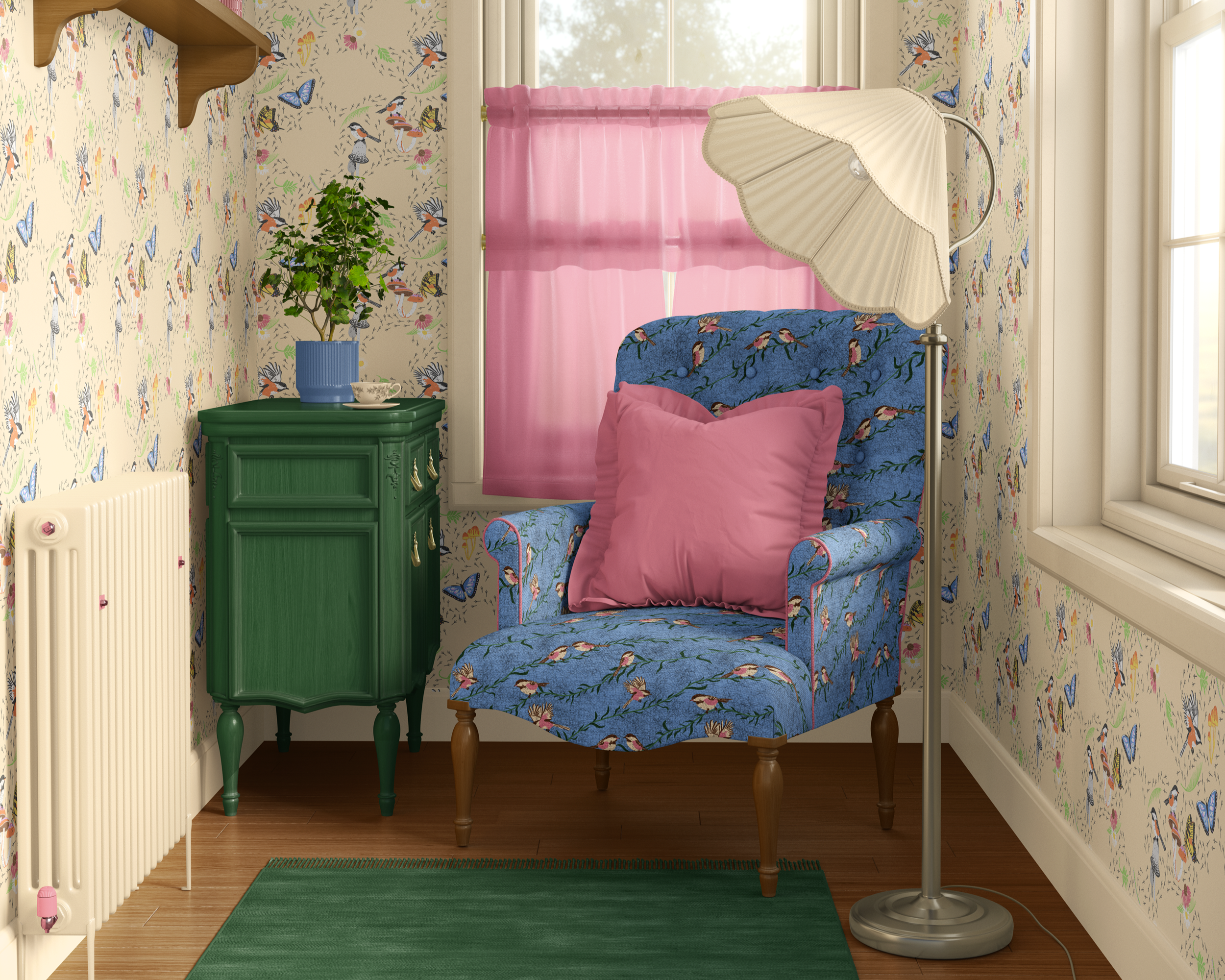
Thoughtful design doesn’t start with a blank slate—it starts with what already matters. The existing architecture, family heirlooms, and personal stories inside a home can become some of the richest inspiration for custom wallpaper, fabric, and decorating decisions. In this post, I’m sharing how I honor those elements while still creating spaces that feel fresh, current, and deeply personal.
The power of beginning with the room, not the moodboard
It’s tempting to design as if every project begins with empty white walls and a shopping list. In reality, most projects already have a strong point of view: original trim and moulding, interesting ceiling details, quirky floor plans, or beloved pieces of furniture that aren’t going anywhere.
When I look at those existing elements, a few important things happen:
I want to work with the architecture’s natural rhythm instead of fighting it.
I identify heirlooms and stories that can guide the palette and pattern choices.
I create spaces that feel continuous with the home’s history, not layered on top of it.
Custom wallpaper and textiles are especially powerful here. They can echo an existing detail, soften an awkward transition, or tie together old and new pieces in a way that feels intentional rather than “made do.”
Letting architecture set the stage for pattern
I find that existing architecture is one of the best tools for deciding where and how to use pattern:
Molding and paneling — Picture frame molding, wainscoting, or paneling naturally divides the wall into pattern-ready sections. A custom wallpaper that aligns with those proportions can feel like it’s always belonged there.
Arches and niches — Arched doorways, built-in shelves, and recessed niches are perfect places to showcase pattern as an accent. A small-scale repeat in a niche can pull color from the rest of the room and turn a “funny little corner” into a feature.
Window placement and light — The way light enters a room changes how a pattern reads. North light might call for softer, warmer motifs; bright southern light can handle bolder contrasts. Existing windows and doorways can also suggest where to stop and start a wallpaper or fabric treatment gracefully.
Ceiling height and proportions — Tall ceilings might invite a vertical stripe or a climbing botanical that emphasizes height or an anchoring pattern that retains austerity and breathing room without overwhelming the space. Cozy, lower ceilings often benefit from mid-scale pattern that wraps the room and feels enveloping rather than overwhelming.
When I let the architecture lead, my custom patterns don’t feel like costumes. They feel like a natural continuation of the room’s bones.
Heirlooms as creative constraints (in the best way)
Heirlooms — the sideboard from a grandparent, the vintage rug, the painting that can’t be parted with — can feel like creative limitations at first. In truth, they’re often the most valuable source material for unique expression.
I like to approach them as:
Color anchors — A tiny bit of embroidery color on a vintage textile, a faded tone in a rug, or a paint color in an old frame can become the base for a new palette. Custom wallpaper or fabric can then echo those hues with a more contemporary — even evergreen — hand.
Motif inspiration — A carved detail on a chest, a floral from a piece of china, or a geometric from an old quilt can inspire a new repeating motif; not copying the heirloom; but rather riffing on it so the story continues.
Scale reference — The visual weight of an heirloom helps determine pattern scale. A large, heavy armoire might be balanced by a more generous, sweeping pattern nearby, while a delicate side table wants a lighter, airier repeat.
Emotional storytelling — When I understand why a piece is loved —who owned it, where it’s from, what it’s seen—that story can inform the “mood” of the pattern I choose or design around it. This is where design shifts from purely aesthetic to deeply personal.
Turning family stories into custom pattern decisions
Some of my best design decisions have come from small stories that were almost thrown away in passing, for example: the city where the homeowners met, a garden a grandparent tended, a favorite landscape, a recurring symbol in their lives.
For custom wallpaper and textiles, those stories can shape:
Pattern themes — A couple who loves coastal walks might respond to a soft, rhythmic pattern that hints at shoreline grasses or wave motion without being literal. A family with a history of gardening might love a botanical repeat that nods to specific flowers with personal meaning.
Hidden details — Custom patterns can include subtle references only the client will notice: a small motif inspired by their initials, a flower from their wedding, or a tiny element from a beloved place. These details create a sense of secret connection.
Room-specific narratives — Children’s rooms, studios, reading nooks, and entryways are especially good places to “tell a story” in wallpaper or fabric: where they’ve been, who they are becoming, what they love.
By weaving stories into the pattern work itself, I am able to create designs that are personal and feel worth keeping for a very long time.
Balancing respect and refresh: when to echo, when to contrast
Honoring what’s already there doesn’t mean I’m locked into one aesthetic. Sometimes the most respectful move is to echo an existing element; other times, it’s to introduce a complementary contrast.
Echoing
Repeating a curve from an original banister in a wallpaper motif.
Mirroring panel proportions in a striped fabric.
Matching the softness of an aged stone with a gentle, chalky pattern palette.
Contrasting thoughtfully
Pairing clean-lined, modern upholstery fabric with ornate millwork to keep things from feeling too heavy.
Introducing a graphic pattern in a restrained colorway to energize a traditional room without erasing its character.
Using a fresh, light wallpaper in a small, dark hallway to offset the weight of original doors and trim.
The goal is a conversation between past and present, not a competition. When it’s done well, the new pieces feel like they’re in dialogue with the older ones.
Custom design as a way to “translate” history
There are moments when off-the-shelf pattern and fabric don’t quite solve the puzzle. That’s where custom design becomes a powerful translator between what’s already in the home and where the person or people using the space want to go.
Custom wallpaper or textiles can:
Bridge disparate elements — If a room has several strong, unrelated heirlooms, a custom pattern can pull their most important colors or motifs into a single, cohesive story.
Update a historical style gently — Instead of replicating a period print, I can create a contemporary interpretation that nods to the home’s era without feeling like a museum.
Extend a legacy piece — A fragment of vintage fabric or wallpaper can inspire a new pattern that carries that legacy forward, allowing its use in upholstery, cushions, or another room entirely.
This is where the work feels especially meaningful to me: I’m not just decorating, I’m editing and extending the story that’s already there.
The “honoring” process
Many assume that honoring existing architecture and heirlooms means compromising on something they like less. Part of my job is reframing that: showing how much richness and depth comes from starting with what they already have.
Ways I do that may include:
Side-by-side boards — For example: a “blank slate” scheme versus one that pulls cues from existing architecture and heirlooms, helping them feel more connected to the latter, even if they can’t articulate why.
Language that celebrates, not apologizes — “This is a beautiful anchor. Let’s build a pattern story that lets it shine.”
One or two key storytelling moments — Every element doesn’t need to be turned into a narrative. Perhaps the entry wallpaper, the dining chairs, a special bedroom, can be the clearest expressions of honoring histories.
Helping those I work with understand that their existing pieces and stories are valuable to the design, helps them feel more grounded and more at home.
If you’re sitting with a home full of stories—original details, heirloom pieces, or meaningful objects—and you’re not sure how to design with them instead of around them, I’d love to help. Whether you’re interested in full-service decorating, custom wallpaper and fabric, or thoughtfully updating a few key rooms, you can reach out to me to start the conversation.
If you’d like to see how my patterns might speak to your existing architecture and heirlooms, you can request samples directly from any collection page by clicking “Request A Sample” on my website. Visit my curated wallpaper and fabric collections.
Subscribe to Surface & Space for new articles in your inbox and instant access to two free printable substrate guides (wallpaper & fabric), plus a bonus PDF on Conscious Creators of Gentle Textiles.
© 2025-2026 Gabrielle Hewson. All rights reserved. You’re welcome to share links to this article, but please don’t copy or republish the text or images without my written permission. For licensing, permissions, or any other use beyond linking, please contact me directly.