Designing with Intent: How Thoughtful Pattern Choices Transform Not Just Rooms but Routines
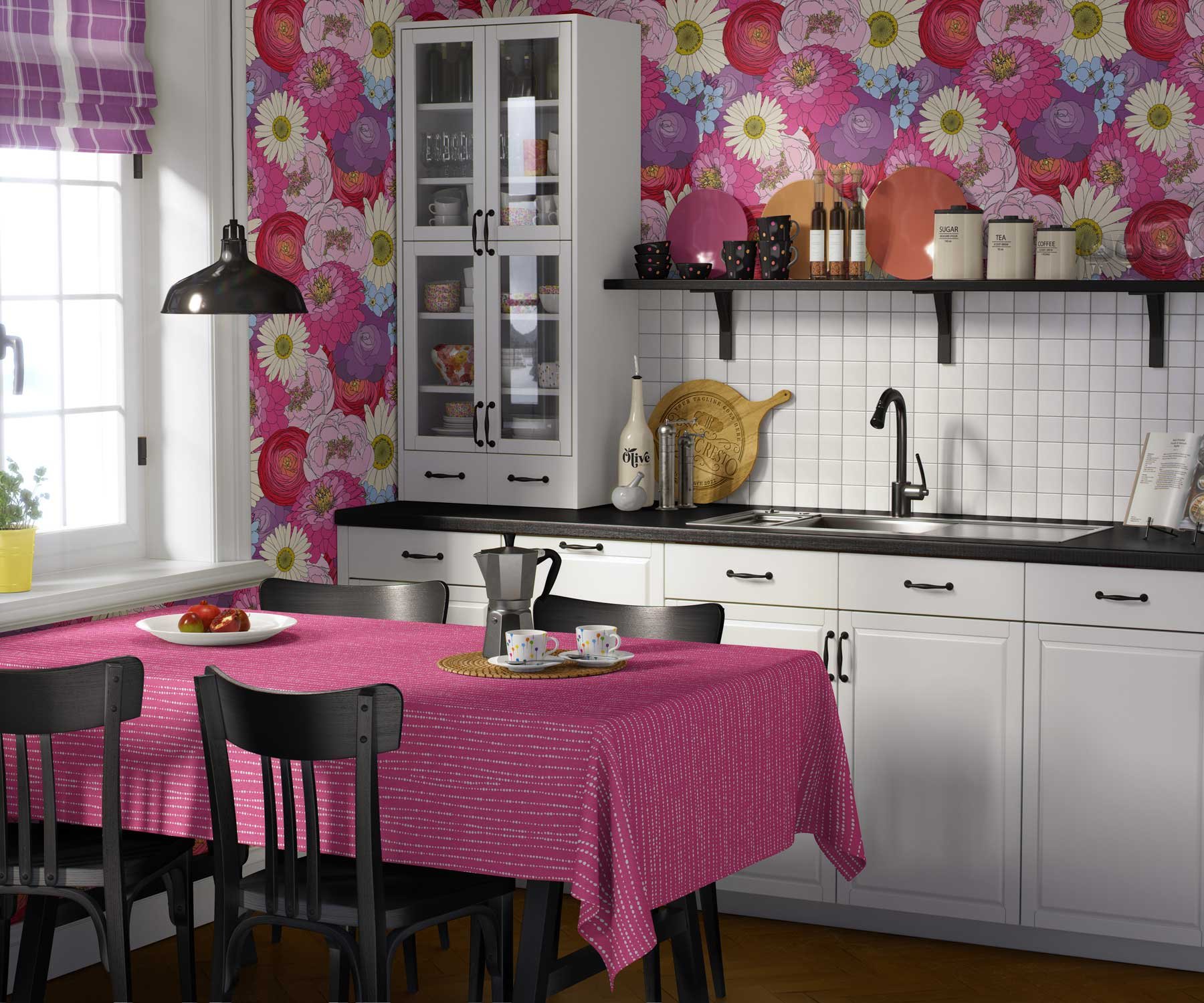
Pattern doesn’t just change how a room looks—it changes how we move through it, how we pause, and what we return to every day. Thoughtful wallpaper and fabric choices can quietly support the routines that matter most: morning coffee, after-school decompression, focused work, winding down at night. In this post, I’m exploring how intentional pattern placement can transform not just spaces, but habits.
Designing pattern around the way people actually live
Underneath everyday adjectives like: calm, layered, inviting we have everyday rituals:
Where someone drinks their first cup of coffee.
Where kids drop bags after school.
Where someone settles at the end of the day with a book or a show.
When design is done with intent, those routines become the starting point. Instead of asking only, “What should this room look like?” we ask, “What do we want to happen here, every single day?”
Pattern becomes one of the tools we use to:
Mark certain spots as “this is where you do X.”
Invite people to linger a little longer.
Gently nudge the energy of a routine—either calmer or more focused or more playful.
That’s where pattern shifts from decoration to quiet choreography.
Morning rituals: pattern as a gentle cue to start the day
Mornings are often where people feel most rushed and least supported by their environment. Pattern can soften that experience and create a sense of ritual instead of scramble.
In practice, that might look like:
A patterned breakfast nook — A soft, rhythmic wallpaper and a seat cushion in a coordinating fabric can turn a corner into a “morning anchor”—somewhere it feels natural to sit for five minutes instead of checking emails standing at the counter.
A coffee or tea station vignette — A small repeat behind open shelving or a console where the coffee or tea station lives signals, “this is your spot.” Over time, that tiny patterned moment becomes part of the habit loop: see pattern → make coffee → exhale for a beat.
Bedroom dressing corner — A patterned fabric on a small chair, paired with a quiet wallpaper or framed textile behind it, can encourage sitting down to put on shoes or gathering oneself before the day starts.
When pattern is aligned with these moments, designing results in a more intentional start to the day.
Work and focus: pattern that supports concentration instead of distraction
Many worry that pattern will distract them in workspaces. The trick is choosing the right kind of pattern to support focused, creative work.
Helpful approaches:
Soft, repeating motifs behind a desk — A mid-scale, low-contrast pattern behind a workstation can create a calm visual field when a client looks up from the screen. It’s visually interesting enough to rest the eye on, but not busy enough to pull them out of flow.
Patterned textiles on seating instead of on every wall — In studios or home offices, pattern on a desk chair, cushion, or bench can bring energy to the space without crowding the sightline in front of the monitor.
Using pattern to define a “thinking zone” — A small reading chair or daybed with patterned fabric and a coordinating wall behind it becomes the place to think, sketch, or take calls away from the desk. Routines tend to follow the visual cues we build.
Thoughtful pattern in workspaces is less about “wow factor” and more about creating the kind of background that makes concentrated, meaningful work feel more natural.
Transitional moments: entries, hallways, and the rhythm of coming and going
The way a home handles thresholds—front door, back door, hallway turning points—shapes how days begin and end. Pattern in these spaces can gently organize movement and emotion.
In entries and mudrooms:
A patterned wallpaper immediately inside the door helps the brain register, “You’re home now.” It can offer a small sense of arrival, even in a compact space.
Coordinating fabric on a bench cushion or stool gives people an obvious place to sit, set a bag, and transition. Over time, that spot becomes part of the routine: keys → shoes → sit → breathe.
In hallways and corridors:
A subtle hallway pattern can make everyday trips (to bedrooms, laundry, or the kitchen) feel more gracious and less utilitarian.
Repeating a motif from the main living area into a corridor creates continuity, so moving through the home feels like moving through one cohesive story rather than a series of disconnected zones.
These in-between spaces are where patterns can quietly shape the “invisible” routines that hold a home together.
Evenings and winding down: pattern that nudges rest
Evenings are when homes either support rest or keep everyone in “daytime” mode. Pattern can help change the channel.
In living rooms and family rooms:
A gentle, organic wallpaper behind the sofa, paired with textured, patterned fabrics on cushions and a throw, can make the seating area feel like a designated “settle in” zone.
Patterned ottomans or poufs invite feet up and relaxed posture, telling the body, “This is where we unwind.”
In bedrooms:
A soft, enveloping wallpaper behind or around the bed can help the room feel more cocooned, especially when paired with textiles that echo its shapes or colors.
Subtle pattern on shams, a quilt, or a bench at the foot of the bed gives the eye something gentle to land on at the end of the day—supporting a slowing down of the nervous system rather than another jolt of stimulation.
When pattern is chosen with these rhythms in mind, it becomes part of the wind-down ritual: turn down the lights, see familiar motifs, feel your shoulders drop.
Household flow: using pattern to guide habits in shared spaces
Every shared home has its friction points: clutter hotspots, kids’ drop zones, the “we don’t really have a place for that” problem areas. Pattern can help structure better habits without feeling like a lecture.
Examples:
Designated homework or craft spot —A small table against a patterned wall, or a patterned fabric on the seat cushions, can anchor where projects happen. Supplies stored nearby make it easier for the routine to stick.
Reading corner vs. TV zone — If you want to encourage more reading or quiet time, give that corner the more layered, inviting pattern story—wallpaper, cushions, a throw—while keeping the TV wall simpler. The pattern signals where the cozy, slow moment lives.
Laundry and utility spaces — Even a small repeat in a laundry room or utility area can make daily chores feel more tolerable—and more likely to be done consistently. When a space feels cared for visually, we’re more inclined to keep it functionally tidy.
These choices might seem small, but over time they affect what people reach for, where they pause, and how they feel about the everyday tasks they have to do.
Designing with intent for commercial spaces, too
Routines aren’t just for homes—they’re part of how we function day to day. In a studio, shop, or office space, pattern can support the rhythms of a workday and client journey.
Reception and welcome rituals — A patterned wall behind a reception desk or entry console marks the start of the visitor’s experience. Visitors learn to associate that motif with feeling welcomed.
Client meeting zones — Wallpaper or fabric in a meeting area can foster connection and focus: not so loud that it distracts, but distinct enough that those you meet with there remember “that corner” where important conversations happen.
Creative or production areas — In studios where making happens, a slightly more energetic pattern story can cue “this is the place where ideas and hands are working.” It becomes a visual trigger for creative mode.
When pattern is aligned with daily rituals—team check-ins, consultations, design reviews, and the like —pattern does subtle work for you without needing a logo everywhere.
Getting into the idea of “patterned routines”; and overcoming obstacles to loving your spaces
Where issues like: “We’re always rushed in the morning,” or “We never sit in that room.” are concerned, here are some constructive questions that have helped define spaces within spaces:
Routine-based questions:
“Where are coffee, tea or even smoothies are enjoyed?”
“Where are bags dropped off at then of the day and/or readied for the next morning?”
“Where is more time spent in a room desired?”
The answers point directly to where pattern could help.
Pattern framed as a behavioral tool. —
“Make a nook so inviting that anyone naturally wants to sit there every morning,” or
“Create a patterned ‘landing zone’ by the door, to help contain the chaos.”
When we see pattern as an ally to routines, not just a visual risk, their decision-making becomes more confident and less fearful for all.
If you’re ready for your rooms to support the way you actually live—not just look good in a single photo—thoughtful pattern can make a huge difference. Whether you’re interested in full-service decorating, refining a few key routines, or specifying wallpaper and fabric with more intent, you can reach out to me to start the conversation.
Curious how my patterns might support your own daily rituals? You can request samples directly from any collection page by clicking “Request A Sample” on my website, and we’ll explore where pattern can quietly transform your routines. Check out my collections.
Subscribe to Surface & Space for new articles in your inbox and instant access to two free printable substrate guides (wallpaper & fabric), plus a bonus PDF on Conscious Creators of Gentle Textiles.
© 2025-2026 Gabrielle Hewson. All rights reserved. You’re welcome to share links to this article, but please don’t copy or republish the text or images without my written permission. For licensing, permissions, or any other use beyond linking, please contact me directly.